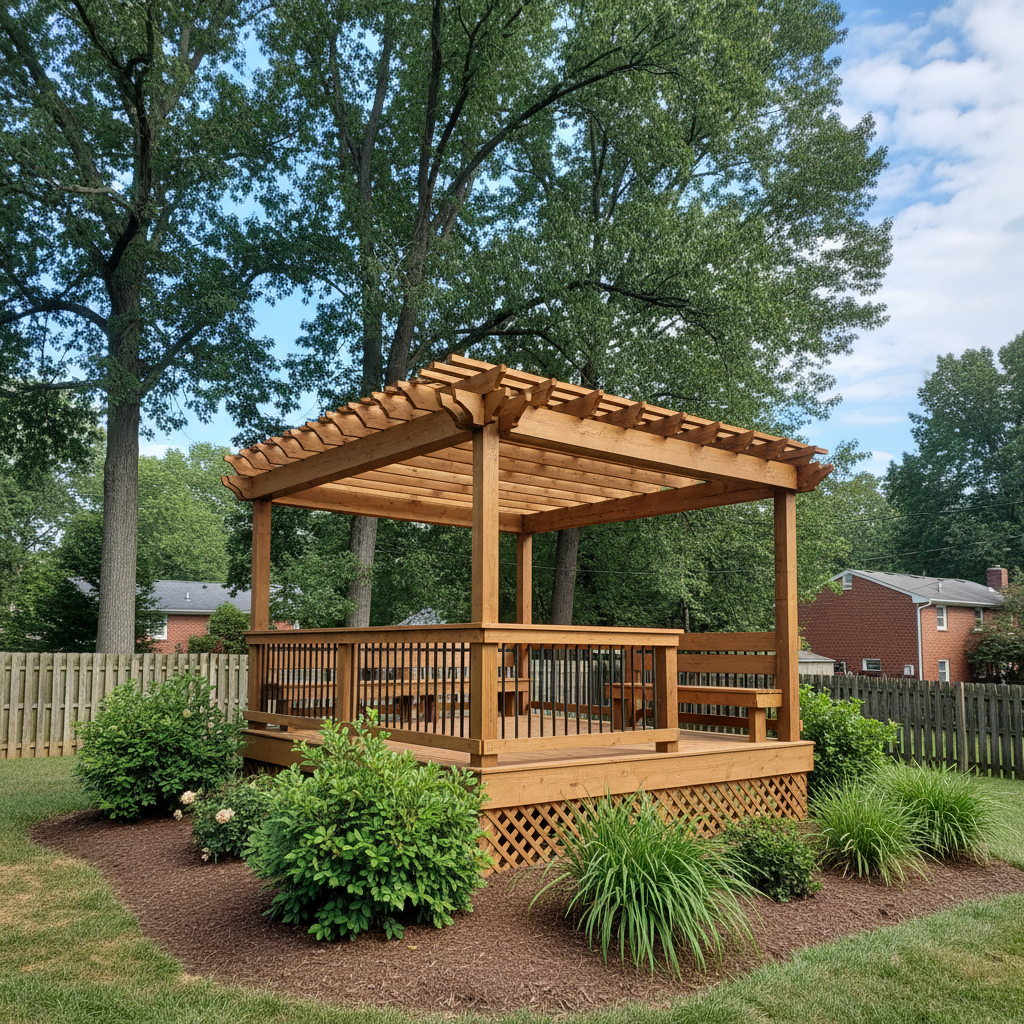
So, you're thinking about a pergola, huh? That's a really smart move for adding shade and a bit of flair to your backyard. But before we jump into building one, especially here in Brooklyn, MD, there are some important things about timing and the weather you really should think about. It's not just about getting it built; it's about making sure it's done right and lasts.
When's the Best Time to Build a Pergola in Brooklyn?
Honestly, the sweet spot for scheduling your pergola construction is usually spring or early fall. Why? Because we want to steer clear of those brutal Maryland summer heat and humidity, and definitely the biting cold of winter. Spring (March to May) is just fantastic. The ground isn't frozen solid, temperatures are mild, and we typically get a nice mix of sun and manageable rain. It's ideal for pouring concrete footings, setting posts, and getting everything lined up without us melting in the heat.
Early fall (September to November) is another prime window. The summer crowds have thinned out, the air feels crisp, and you're still well ahead of any serious winter weather. Plus, getting it done in the fall means you're all set to enjoy it from the very first warm day next spring. Nobody wants to be rushing a build when the sun's already blazing down in July, right?
How Does Our Local Weather Affect Pergola Work?
Our weather here in Brooklyn, MD, can be a real mixed bag, and it absolutely impacts construction. You've got to keep a few key things in mind:
- Rain and Humidity: We certainly get our share of rain, and that can slow things down. We can't pour concrete in a downpour, and frankly, nobody wants to be working with soaking wet wood if we can help it. High humidity, especially in summer, also means wood expands more. We factor that into our builds, but it's another reason why those milder seasons are better. Oh, and if we're doing any staining or sealing, you need a good dry stretch for it to cure properly.
- Wind: We might not be right on the Bay, but we still get some strong winds, particularly during storms. Putting up big, open structures like pergolas demands careful planning and secure bracing while we're working. You definitely don't want a partially built structure catching a big gust.
- Temperature Swings: Our springs and falls can have pretty significant temperature swings from day to night. For concrete work, this is a big deal. We use additives and cure covers if necessary, but consistent moderate temperatures make for the best cure.
- Ground Conditions: Around here, especially closer to the Patapsco River, we can have some pretty clay-heavy soil. This means digging footings can be tougher after heavy rains, and we need to make sure there's good drainage around the base of your posts. That prevents water from just sitting there and causing problems down the line. We always dig below the frost line, which is typically 30 inches here, to stop frost heave from pushing your posts up.
These aren't deal-breakers, just things we plan for. Pacific Deck Solutions always keeps a close eye on the forecast, and we'll let you know about any schedule adjustments needed because of the weather.
Protecting Your Pergola Investment Year-Round
Once your pergola is up, you'll want to keep it looking great and standing strong for years. Here's how to protect your investment:
- Regular Cleaning: Just like your deck, your pergola needs a good wash now and then. A soft brush, some mild soap, and water will get rid of dirt, pollen, and any mildew that tries to settle in. Do this once or twice a year, maybe in spring and fall.
- Sealing or Staining: If you've got a wooden pergola, this is absolutely critical. Depending on the type of wood and the product we used, you'll need to reapply a quality sealant or stain every 2-5 years. This protects the wood from UV damage, moisture, and rot. Don't skip this step; it's your best defense against our humid summers and wet winters.
- Check for Wear and Tear: Give your pergola a quick once-over every few months. Look for any loose bolts, cracked wood, or signs of insect activity. Catching small problems early can save you a lot of headache and money later on. Pay special attention to the post bases where they meet the ground or concrete.
- Clear Debris: Keep leaves, branches, and other debris from piling up on the top slats or in the joints. This can trap moisture and lead to rot or mildew.
- Winter Prep: While pergolas are built to handle the elements, if you have any removable shade covers or accessories, take them down for the winter. It reduces the load on the structure from snow and ice and helps your fabric last longer.
Building a pergola is a fantastic way to improve your outdoor living space, really. By understanding our local Brooklyn, MD, climate and taking a few proactive steps, you'll ensure your new addition brings you enjoyment for many seasons to come. If you've got questions about timing or materials, don't hesitate to give us a call at Pacific Deck Solutions. We're always happy to talk shop.