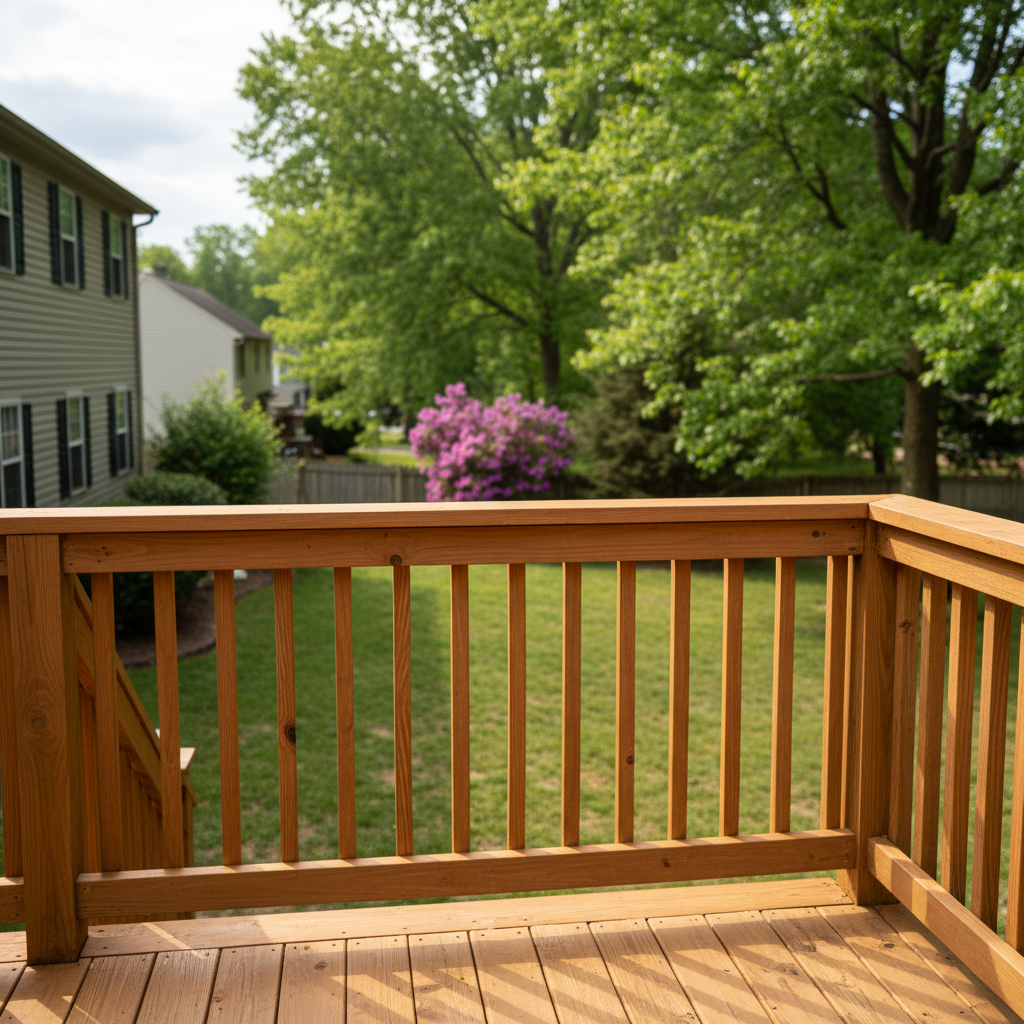
You just invested in a great new deck, or maybe you've had one for a while. Either way, those railings aren't just for looks; they're a critical safety feature. Here in Brooklyn, MD, our climate can be pretty tough on outdoor structures. We get those humid summers, freezing winters, and plenty of rain in between. That's why taking care of your deck railings isn't just a good idea, it's essential for safety and extending your investment.
Extending the Life of Your Railings
When I install a new railing system for folks, whether it's composite, wood, or aluminum, I always tell them the same thing: maintenance starts on day one. It's not a 'set it and forget it' kind of deal, especially not around here. Our proximity to the Chesapeake Bay means we get a lot of moisture in the air, which can accelerate wear and tear on materials.
For wood railings, a good quality stain or sealant is your best friend. Don't cheap out on this. A high-quality product will protect against UV rays, moisture, and even mildew growth. You'll want to reapply it every couple of years, sometimes more often if your deck gets a lot of direct sun or is exposed to the elements constantly. Think about those older homes near Patapsco Avenue; if they're not maintained, the wood just starts to look beat up fast.
Composite railings are pretty low maintenance, which is why a lot of people choose them. But 'low maintenance' doesn't mean 'no maintenance.' They still need cleaning, and sometimes a protective finish can help prevent fading over time. Aluminum railings are tough, no doubt. Their powder coat finish is durable, but even they can scratch or chip, opening the door to corrosion.
What Regular Maintenance Looks Like
This isn't rocket science, but it does take a little consistency. Here's what you should be doing:
- Clean regularly: At least twice a year, give your railings a good wash. A soft brush, some mild soap (like dish soap), and water usually do the trick. Rinse thoroughly. For tougher grime or mildew, you might need a deck cleaner specifically designed for your railing material. Just make sure it's not too harsh.
- Inspect fasteners: Loose screws or bolts are a common problem. With all the expansion and contraction from temperature changes we get in Maryland, things can loosen up. Go around and check all the connections. Tighten anything that feels wobbly. Don't overtighten, though, especially with wood, as you can strip the screws.
- Check for damage: Look for splinters, cracks, chips, or rust. Catching these early can prevent bigger, more expensive problems down the road.
- Clear debris: Leaves, dirt, and other gunk can trap moisture against your railings, leading to rot or corrosion. Keep the areas around posts and balusters clear.
Warning Signs of Problems
You don't need to be a deck expert to spot trouble. Your railings will tell you when something's wrong if you know what to look for.
- Wobbling or looseness: If a section of railing or an individual post feels shaky when you push on it, that's a major red flag. It means the structural integrity is compromised, and it's a safety hazard.
- Rot or decay (wood): Soft spots, discoloration, or crumbling wood are clear signs of rot. Poke around with a screwdriver; if it sinks in easily, you've got rot.
- Rust or corrosion (metal): While aluminum is pretty resistant, steel components (like screws or post anchors) can rust. Orange or brown streaks are a giveaway. Rust weakens the metal.
- Cracks or splits: Especially in wood, deep cracks can compromise strength. In composite, large cracks could indicate a manufacturing defect or impact damage.
- Fading or chalkiness: While not a safety issue, it indicates the protective finish is breaking down, leaving the material vulnerable to the elements.
When to Call a Professional
Look, I'm a big believer in DIY when it's appropriate. But some things are best left to the pros. When it comes to your deck railings, safety is paramount. If you see any of those major warning signs – especially wobbling or significant rot – it's time to call someone like Pacific Deck Solutions. Don't try to jury-rig a fix for a structural issue. You're putting yourself and your family at risk.
You should also call a professional if you're unsure about the extent of the damage, or if the repair involves replacing structural components. We've got the tools, the experience, and the right materials to make sure your railings are safe and up to code. Sometimes a small repair now can prevent a complete railing replacement later. It's just smart homeownership, especially in a place like Brooklyn where we want our outdoor spaces to last.