So, you've got a deck that needs new railings, or maybe you're building a new one and it's time for that crucial safety and style element. Installing deck railings might look straightforward, but there's more to it than just screwing posts into place. Let's break down what you're really getting into.
Before You Start: Planning is Key
First off, safety isn't optional. Your railings aren't just for looks; they're there to keep people from taking a tumble. That means you've got to meet local building codes. In Anne Arundel County, and specifically here in Brooklyn, you're looking at specific requirements for railing height (usually 36 inches for residential decks, 42 inches for commercial), baluster spacing (no more than 4 inches between them, so a 4-inch sphere can't pass through), and load bearing capacity. Don't guess on this stuff; get a copy of the current code or check with the county's permit office. Trust me, it's a lot easier to build it right the first time than to fix it later. What a headache that would be!
Next, what kind of railings are you thinking about? Wood, composite, aluminum, cable, glass? Each has its own installation quirks. Wood is classic, but you'll need to be good with a saw and level. Composite can be easier to work with but often requires specific fasteners. Aluminum and cable systems are usually pre-fabricated and can be quicker to install, though they're also pricier. Figure out your material, then get a detailed plan. Measure your deck perimeter precisely. Account for stairs, corners, and any gates you might want. Sketch it out. This isn't just about how it looks; it's about making sure you buy the right amount of materials and don't end up short a post or a baluster.
The DIYer's Reality Check: What You Can Actually Do
If you're handy with tools and understand basic carpentry, you can absolutely install some types of deck railings yourself. Here's where DIY usually makes sense:
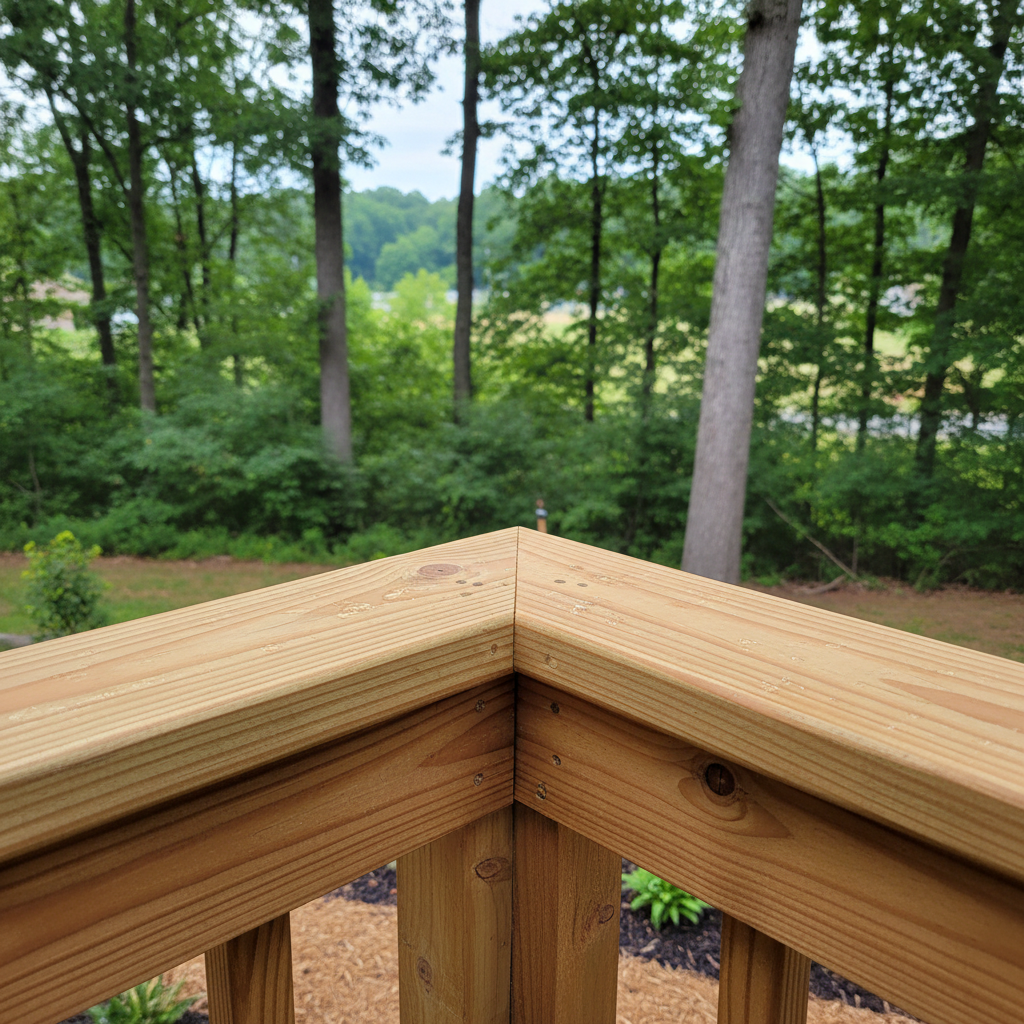
- Simple wood railings: If you're replacing existing wood railings with similar ones, and your posts are solid, you might be able to manage this. Cutting balusters, attaching top and bottom rails, and securing everything properly isn't rocket science, but it takes patience and precision.
- Pre-fabricated panel systems: Some composite or aluminum systems come in pre-assembled panels that attach to posts. If your posts are already installed and plumb, putting these up can be pretty straightforward.
- Minor repairs: Replacing a few rotten balusters or a damaged section of handrail? Go for it.
What you'll need, at a minimum, are a good drill, a level (a long one is best), a tape measure, a saw (miter saw for wood, maybe a hacksaw for aluminum), and the right fasteners. Don't skimp on fasteners; they're what hold everything together. Stainless steel or coated screws are a must to prevent rust, especially with our humid summers here in Brooklyn. You don't want black streaks running down your nice new railings in a year or two.
When to Call a Pro: Don't Be a Hero
There are definitely times when trying to DIY deck railings can lead to headaches, safety hazards, or just a really ugly finished product. This is where a professional like Pacific Deck Solutions really shines:
- New deck construction: If you're building a whole new deck, especially one with complex angles or multiple levels, getting the railings right from the start is critical. A pro will make sure everything is perfectly aligned, plumb, and up to code.
- Structural issues: If your existing deck posts are wobbly, rotten, or not properly anchored, you're not just installing railings; you're doing structural repair. That's a different ballgame and usually requires professional expertise to ensure safety.
- Complex materials: Cable railings, glass panel systems, or custom metalwork often require specialized tools and installation techniques. Trying to DIY these without experience can be frustrating and costly if you make mistakes.
- Code compliance concerns: If you're unsure about the latest building codes, or if your deck is in a tricky spot that might have unique requirements (like close to a property line or a specific setback), a professional knows the ins and outs. They'll pull permits and ensure everything passes inspection without a hitch.
- Time and skill constraints: Let's be honest, not everyone has a weekend (or two, or three) to dedicate to this, or the specific skills needed for a flawless finish. If you want it done right, done fast, and done safely, sometimes paying a pro is the best investment.
Especially around areas like Curtis Bay, where older homes might have decks that have seen better days, you often run into unexpected issues once you start tearing things apart. A pro can adapt to those surprises without skipping a beat.
After the Install: Keep 'Em Looking Good
Once your railings are up, whether you did it or we did, a little maintenance goes a long way. For wood, that means regular cleaning, staining, or painting to protect against our lovely Maryland weather. Composite and aluminum are pretty low-maintenance, usually just needing a good wash down with soap and water to keep them looking fresh. Regularly check all fasteners to make sure nothing's come loose. A quick once-over every spring can prevent small issues from turning into big problems.
Ultimately, installing deck railings is a project that demands attention to detail and a commitment to safety. Assess your skills honestly, understand the codes, and don't be afraid to call in the cavalry if it feels like too much. Your deck is an extension of your home, and its railings are a big part of its safety and curb appeal.