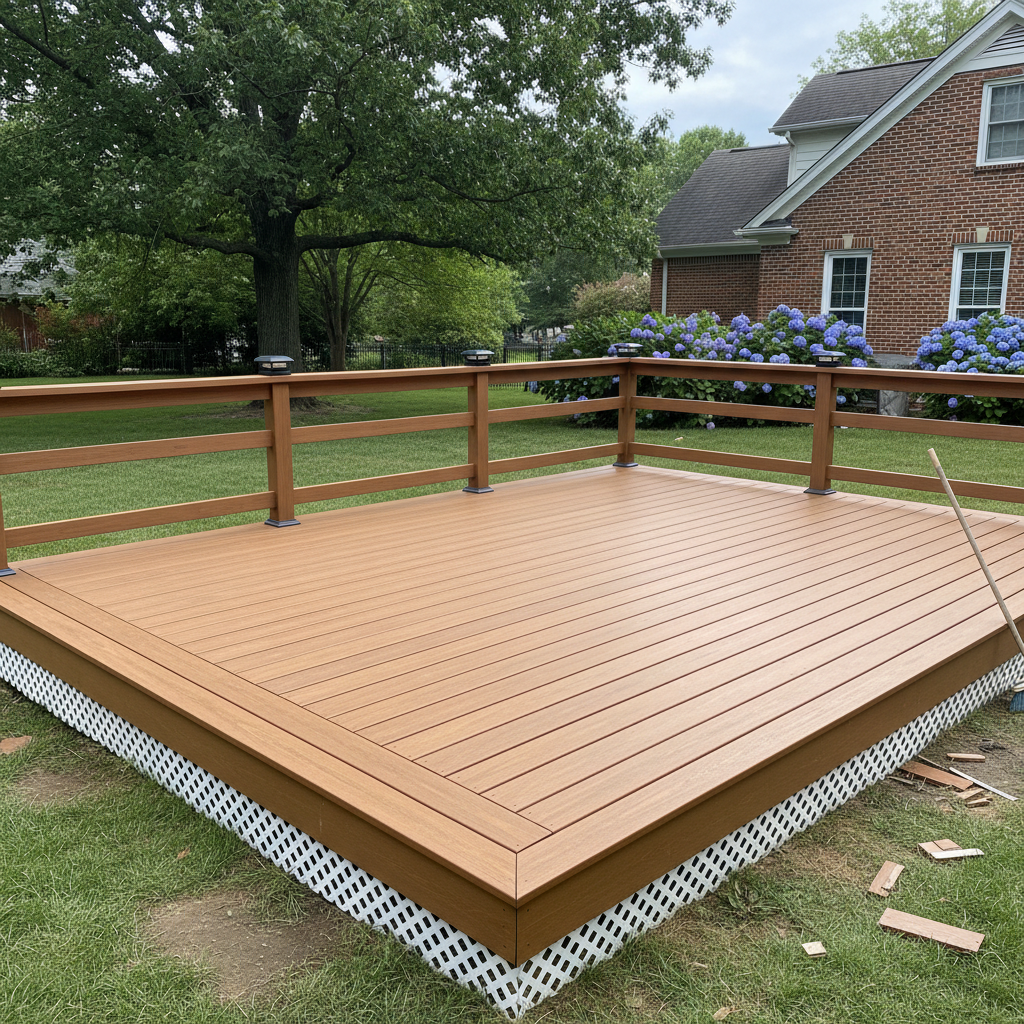
You picked composite decking for a reason, right? Less work than wood, looks good, lasts forever. Well, 'lasts forever' is a bit of a stretch if you don't give it a little love. While it's true composite decks are low maintenance compared to wood, they aren't no-maintenance. You've still got to do a few things to keep that investment looking sharp and performing for decades, especially with our wild weather here in Brooklyn, MD.
Regular Maintenance: Your Deck's Best Friend
Let's talk about what you *should* be doing. It's not rocket science, I promise.
- Clean it regularly: This is probably the biggest one. Dirt, pollen, leaves, and general grime will build up. If you let it sit, you could end up with mold and mildew, particularly in shadier spots or after a humid summer. A good sweep with a stiff broom is a great start. For a deeper clean, grab a soft-bristle brush, some warm, soapy water (dish soap works fine, honestly), and give it a good rinse. That'll do wonders. You can use a pressure washer, but be super careful. Keep the pressure low (under 1500 PSI) and the nozzle at least a foot away from the deck surface. Too much pressure or getting too close can damage the composite material, leaving marks you can't easily fix.
- Watch for organic matter: Leaves, pine needles, and other debris from nature can trap moisture. When that happens, you're practically inviting mold and mildew to set up shop. Sweep them off regularly, especially after a storm or during the fall. If you've got trees overhanging your deck, you'll be doing this more often, naturally.
- Address spills immediately: Grease from the grill, spilled drinks, pet messes – clean them up as soon as they happen. The longer they sit, the harder they are to remove, and some can even stain composite materials permanently.
- Clear snow and ice carefully: When winter hits, don't go at your deck with a metal shovel. Use a plastic shovel to avoid scratching the surface. Sand or rock salt can be used for traction, but make sure to rinse it off thoroughly once the ice melts to prevent any residue buildup.
Extending Your Deck's Life: Smart Habits
Beyond the regular cleaning, a few smart habits can really add years to your deck's prime.
- Use protective pads: Underneath planters, furniture legs, and anything else that sits directly on the deck, use felt pads or small risers. This prevents scratches, scuffs, and allows air to circulate, which helps prevent moisture buildup and potential mold growth.
- Trim back foliage: Keep shrubs and trees trimmed so they aren't constantly touching or shading your deck. Good airflow and sunlight are natural enemies of mold and mildew, aren't they?
- Check fasteners: Occasionally, just walk around and make sure all the screws are sitting flush. Our freeze-thaw cycles here in Maryland can sometimes cause things to shift slightly. If you see any popping up, carefully re-secure them.
- Mind the grill: Grills are fantastic, but they can be messy. Use a grill mat underneath to catch grease splatters and charcoal bits. Those stains are tough to get out.
Warning Signs: When Something's Not Right
Your deck will usually tell you when it needs more than just a wash. Keep an eye out for these things:
- Persistent stains: If you've cleaned a spot multiple times and a stain just won't budge, it might be something deeper.
- Excessive mold or mildew: A little bit of green in a shady corner after a wet spell might be normal, but if it's widespread and tough to remove, you could have a bigger moisture issue.
- Fading or discoloration: While composites are designed to resist fading, prolonged exposure to harsh UV rays can take a toll over many years. If you notice significant, uneven fading, it's a sign of wear.
- Loose boards or railings: This is a safety issue. If anything feels wobbly or loose, don't ignore it.
- Strange noises: Squeaking or creaking when you walk across it could mean fasteners are loose or there's movement where there shouldn't be.
When to Call a Pro (Like Us at Pacific Deck Solutions)
Look, you're busy. And sometimes, a problem is just too big or too complex for a DIY fix. That's when you call in the cavalry. You should definitely reach out if:
- You've got structural concerns: If you see cracks in the joists, posts, or ledger board (where the deck attaches to your house), that's a serious safety issue. Don't mess around with it.
- Extensive mold/mildew: If you've tried cleaning and the mold just keeps coming back, or it's covering a large area, there might be an underlying drainage or ventilation problem that needs a professional eye.
- Major repairs are needed: Replacing a damaged board, fixing a wobbly railing, or dealing with a section that's come loose from the house – these are jobs where experience makes a big difference. We've seen it all, from storm damage to wear and tear in older Brooklyn homes.
- You're considering an upgrade: Maybe you want to add a new section, change the railing, or even just get a professional cleaning and inspection to make sure everything's tip-top.
Taking care of your composite deck isn't a huge chore, but it's important. A little bit of effort goes a long way in protecting your investment and making sure your outdoor space stays beautiful and safe for years to come.